Shop Page
Filters Sort results
Reset Apply
Pic | Add | Part Number | Description | Details | View | ||||||||||||||||||||||||||||||||||||||||||||||||||||||||||||||||||||||||||||||||||||||||||||||
|---|---|---|---|---|---|---|---|---|---|---|---|---|---|---|---|---|---|---|---|---|---|---|---|---|---|---|---|---|---|---|---|---|---|---|---|---|---|---|---|---|---|---|---|---|---|---|---|---|---|---|---|---|---|---|---|---|---|---|---|---|---|---|---|---|---|---|---|---|---|---|---|---|---|---|---|---|---|---|---|---|---|---|---|---|---|---|---|---|---|---|---|---|---|---|---|---|---|---|---|
| Balance Weights (46) | |||||||||||||||||||||||||||||||||||||||||||||||||||||||||||||||||||||||||||||||||||||||||||||||||||
 | 232698-1 | 232698-1 Stainless Steel Balance Weight — 0.500 lbs (227g), Style 6At 0.500… Show more (+) 232698-1 Stainless Steel Balance Weight — 0.500 lbs (227g), Style 6At 0.500 pounds (227 grams), the 232698-1 is a substantial heavy correction weight — far beyond the fine-correction range of the BW-series weights. This level of correction is required on new large-diameter driveshaft fabrications (4+ inch tube) or on driveshafts where tube straightness is at the edge of tolerance. The stainless steel construction makes this the correct choice for marine, agricultural, or off-highway applications where corrosion is a long-term concern.SKU232698-1MaterialStainless SteelWeight0.500 lbs / 227 gStyle6Welding stainless balance weights to carbon steel tube requires ER309L filler metal to bridge the dissimilar material joint. Full perimeter weld is required at 0.500 lbs — centrifugal force at 2,500 RPM on a weight this size reaches approximately 100 lbs. A tack-only weld will fail. Show less (-) | |||||||||||||||||||||||||||||||||||||||||||||||||||||||||||||||||||||||||||||||||||||||||||||||||
 | 230701-1 | The 230701-1 is a 0.15 oz trim correction weight from the Spicer… Show more (+) The 230701-1 is a 0.15 oz trim correction weight from the Spicer 230701 series. At this mass level, the weight is used exclusively for final-pass corrections — after primary weights have brought the residual below 0.20 oz, the 230701-1 closes the remaining gap. Professional driveshaft shops balance to 0.10 oz-in residual for highway applications; this weight is the tool for the last step.Q: When does 230701-1 apply vs. BW1A or 231817-9?A: Series selection depends on tube geometry and original equipment designation. If the shaft carries existing Spicer 230701-series weights, use the same family for consistency. If balancing a new or generic tube, any trim weight in the correct mass range will work.SKU: 230701-1Weight: 0.15 ozCross-reference: Spicer 230701-1 Show less (-) | |||||||||||||||||||||||||||||||||||||||||||||||||||||||||||||||||||||||||||||||||||||||||||||||||
 | 231536-2 | The 231536-2 at 0.66 oz is used when the correction requirement falls… Show more (+) The 231536-2 at 0.66 oz is used when the correction requirement falls in the 0.6-0.8 oz range — common on rebuilt driveshafts from 3/4-ton trucks after yoke or U-joint replacement. The 231536 series uses a different physical profile than the 231546 series, so confirm the correct series for your application from the original part markings or the balancing shop’s specification.SKU: 231536-2Weight: 0.66 ozSeries: 231536Cross-reference: Spicer 231536-2After welding, allow the shaft to cool to ambient temperature before running the final balance check. A hot shaft will have thermally expanded weld metal that slightly shifts the correction mass distribution — re-checking while the shaft is still warm gives a false reading. Show less (-) | |||||||||||||||||||||||||||||||||||||||||||||||||||||||||||||||||||||||||||||||||||||||||||||||||
 | 231536-3 | 231536-3 Balance Weight — 1.05 ozThe 231536-3 at 1.05 oz sits just… Show more (+) 231536-3 Balance Weight — 1.05 ozThe 231536-3 at 1.05 oz sits just over the 1 oz threshold, which is a meaningful correction level for driveshafts in the 2.5-3.5 inch tube range. Corrections above 1 oz typically indicate a structural cause — weld build-up asymmetry, tube wall variation, or a previous incorrect balance weight that must be removed before adding the 231536-3.SKUWeight231536-20.66 oz231536-31.05 ozBefore welding a correction weight over 1 oz, inspect the shaft for tube roundness and yoke alignment. A bent shaft or off-axis yoke will require more correction mass than a straight shaft — and the correction will shift as the shaft flexes at speed, creating a speed-dependent vibration that no static weight can fully correct. Show less (-) | |||||||||||||||||||||||||||||||||||||||||||||||||||||||||||||||||||||||||||||||||||||||||||||||||
 | 231546-1 | 231546-1 — 0.43 oz Balance Weight Lightest in the 231546 series… Show more (+) 231546-1 — 0.43 oz Balance Weight Lightest in the 231546 series, for light primary correction on passenger cars and light trucks.The 231546-1 at 0.43 oz is typically a primary correction weight for passenger car driveshafts and light-duty applications where the overall shaft mass is lower and the imbalance forces correspondingly smaller. Vehicles showing vibration at 60-80 mph on a freshly rebuilt driveshaft often need corrections in the 0.3-0.6 oz range — the 231546-1 addresses the lower end of that bracket.Cross-reference: Spicer 231546-1. Always run the completed assembly on a balancing machine after welding the correction weight — the welding process itself introduces a small mass change and can shift the correction plane slightly from the calculated position. Show less (-) | |||||||||||||||||||||||||||||||||||||||||||||||||||||||||||||||||||||||||||||||||||||||||||||||||
 | 231546-2 | The 231546-2 at 0.62 oz represents the mid-point in the 231546 balance… Show more (+) The 231546-2 at 0.62 oz represents the mid-point in the 231546 balance weight family. This weight is common in primary correction applications on 2.5 and 3-inch driveshaft tubes used in light trucks and vans. A single 0.62 oz weight at the correct angular position typically brings residual imbalance below 0.1 oz — within spec for most highway-speed applications.SKU231546-2Weight0.62 ozSeries231546 (Spicer-compatible)Cross-referenceSpicer 231546-2Placement tip: the angular position from the balancing machine readout is measured from a reference mark on the tube (typically the heaviest point indicator). When the machine calls out “add weight at 165 degrees” — that means 165 degrees from the reference mark in the direction of shaft rotation, not from the imbalance location. Show less (-) | |||||||||||||||||||||||||||||||||||||||||||||||||||||||||||||||||||||||||||||||||||||||||||||||||
 | 231546-3 | 231546-3 Balance Weight — 0.98 oz, Heaviest in 231546 SeriesThe 231546 series… Show more (+) 231546-3 Balance Weight — 0.98 oz, Heaviest in 231546 SeriesThe 231546 series covers 0.43 oz (231546-1) through 0.98 oz (231546-3), a range that handles most primary correction requirements on light-truck driveshafts. The 231546-3 at 0.98 oz is used when the correction call is close to 1 oz but the next lighter weight (-2 at 0.62 oz) would leave too large a residual.SKUWeight231546-10.43 oz231546-20.62 oz231546-30.98 ozCross-reference: Spicer 231546-3. The 231546 family is distinct from the 231817 and 231536 series — each series has different physical profiles and should not be mixed on the same driveshaft unless the tube geometry permits both profiles to seat flush. Show less (-) | |||||||||||||||||||||||||||||||||||||||||||||||||||||||||||||||||||||||||||||||||||||||||||||||||
 | 231817-1 | The 231817-1 fills the gap between the micro-trim 231817-9 (0.13 oz) and… Show more (+) The 231817-1 fills the gap between the micro-trim 231817-9 (0.13 oz) and the mid-range 231817-2 (0.27 oz). At 0.19 oz, this is a light correction weight used when the balancing machine shows a residual that the lighter -9 would undercorrect but the -2 would overshoot. Having the full 231817 series on hand allows single-weight corrections across a wide range without stacking.SKU: 231817-1Weight: 0.19 ozSeries: 231817 (Spicer-compatible)Position: Between 231817-9 (0.13 oz) and 231817-2 (0.27 oz)Cross-reference: Spicer 231817-1When working on a driveshaft that originally carried a 231817-series weight and the weight is lost or damaged, the balancing machine must be run to determine the replacement mass. Do not assume the original weight was correct — previous service may have used a non-standard correction. Show less (-) | |||||||||||||||||||||||||||||||||||||||||||||||||||||||||||||||||||||||||||||||||||||||||||||||||
 | 231817-2 | The 231817-2 at 0.27 oz is the second-lightest in the 231817 series… Show more (+) The 231817-2 at 0.27 oz is the second-lightest in the 231817 series. Passenger car rear driveshafts — typically 2.5″ to 3.0″ diameter, running at relatively high RPM — require tighter balance tolerances than truck shafts. The 0.27 oz range often covers the primary correction on these lighter-duty shafts after service.Q: When is 231817-2 the right choice vs. the heavier -4?A: When the balancing machine reads a correction of 0.20-0.35 oz. Using the -4 (0.56 oz) would significantly overcorrect and require a second trim pass — sometimes ending up worse than the original imbalance if the correction angle isn’t precise.Q: Is 231817-2 compatible with the Spicer OEM part?A: Yes. Cross-reference: Spicer 231817-2. The profile and geometry match the original specification.SKU: 231817-2Weight: 0.27 ozCross-reference: Spicer 231817-2 Show less (-) | |||||||||||||||||||||||||||||||||||||||||||||||||||||||||||||||||||||||||||||||||||||||||||||||||
 | 231817-4 | 231817-4 Balance Weight — 0.56 ozThe 231817-4 at 0.56 oz sits at… Show more (+) 231817-4 Balance Weight — 0.56 ozThe 231817-4 at 0.56 oz sits at the mid-point of the 231817 series, between the trim-range -9 (0.13 oz) and the heavier -6 (0.96 oz). The mid-range is where most single-correction-pass driveshaft balancing lands — after a U-joint or yoke replacement on a half-ton truck rear driveshaft, the typical correction requirement falls between 0.3 and 0.8 oz.SKUWeight (oz)231817-90.13231817-20.27231817-40.56231817-60.96Cross-references: Spicer 231817-4. For OEM driveshaft service, match the original weight part number when visible. If the weight is corroded or missing, use the balancing machine to determine the correction mass and select the nearest available weight. Show less (-) | |||||||||||||||||||||||||||||||||||||||||||||||||||||||||||||||||||||||||||||||||||||||||||||||||
 | 231817-6 | SKU231817-6Weight0.96 ozSeries231817 (Spicer-compatible)Position in seriesHeaviest at 0.96 ozCross-referenceSpicer 231817-6The 231817-6 at 0.96… Show more (+) SKU231817-6Weight0.96 ozSeries231817 (Spicer-compatible)Position in seriesHeaviest at 0.96 ozCross-referenceSpicer 231817-6The 231817-6 at 0.96 oz is used when the correction requirement exceeds what lighter 231817 weights can address in a single placement. Rather than stacking a -4 (0.56 oz) and a -9 (0.13 oz), the -6 delivers close to the combined mass in one piece at the exact correction angle. This is particularly relevant on OEM replacement driveshafts where the original weight may have been a single 231817-6.Cross-references: Spicer 231817-6. When ordering as an OEM replacement, verify the original weight markings before selecting a substitute. Show less (-) | |||||||||||||||||||||||||||||||||||||||||||||||||||||||||||||||||||||||||||||||||||||||||||||||||
 | 231817-9 | The 231817 series spans from 0.13 oz (231817-9) up through 0.96 oz… Show more (+) The 231817 series spans from 0.13 oz (231817-9) up through 0.96 oz (231817-6), covering the fine-to-mid correction range in a single family. The 231817-9 at 0.13 oz is the lightest — a trim weight for final-pass corrections where previous primary weights have brought the residual imbalance close to tolerance but not quite within spec.SKU: 231817-9Weight: 0.13 ozSeries: 231817 (lightest available in series)Cross-reference: Spicer 231817 series balance weightsThe 231817 numbering convention is a Spicer/Dana part family. When working on OEM driveshafts with Spicer-marked weights, use the same series family for replacements to ensure consistent material and profile geometry. Mixing weight series on the same shaft can create minor profile differences that affect how the weight seats against the tube. Show less (-) | |||||||||||||||||||||||||||||||||||||||||||||||||||||||||||||||||||||||||||||||||||||||||||||||||
 | 5006852-1 | 5006852-1 Balance Weight — 1.25 ozThe 5006852-1 is the lightest weight in… Show more (+) 5006852-1 Balance Weight — 1.25 ozThe 5006852-1 is the lightest weight in the 5006852 heavy series at 1.25 oz (approximately 35 grams). This weight level is appropriate when the balancing machine indicates a correction requirement in the 1-1.5 oz range — common after U-joint replacement on heavy-duty driveshafts, where the new joint’s mass distribution differs from the worn original.SKU5006852-1Weight1.25 oz / ~35 gSeries positionLightest in 5006852 heavy seriesNext heavier5006852-2 at 1.5 ozAfter U-joint replacement on a two-piece driveshaft, always re-balance both the front and rear shaft sections independently before reassembly. A front section corrected with 5006852-1 may need a different correction on the rear section — do not assume the same weight at the same angle works on both ends. Show less (-) | |||||||||||||||||||||||||||||||||||||||||||||||||||||||||||||||||||||||||||||||||||||||||||||||||
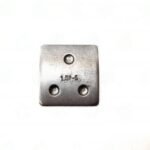 | 5006852-2 | 5006852-2 — 1.5 oz (42 g) Heavy Balance Weight Primary correction… Show more (+) 5006852-2 — 1.5 oz (42 g) Heavy Balance Weight Primary correction range for medium-duty and commercial driveshaft balancing.The 1.5 oz range is where balancing transitions from “correcting component inconsistencies” to “compensating for tube geometry variation.” When a new tube section is welded into a driveshaft assembly, tube wall thickness variation and weld bead mass can easily introduce 1-2 oz of imbalance. The 5006852-2 addresses a single-weight correction in that scenario without requiring multiple lighter weights.Placement on large-diameter tubes: use a protractor or angle-finding balancing fixture to mark the angular position precisely. On a 4-inch diameter tube, a 10-degree angular error on a 1.5 oz weight creates approximately 0.26 oz of residual at 90 degrees to the intended correction plane — still detectable at highway speed. Show less (-) | |||||||||||||||||||||||||||||||||||||||||||||||||||||||||||||||||||||||||||||||||||||||||||||||||
 | 5006852-3 | The 5006852-3 at 2 oz (approximately 56 grams) is used when a… Show more (+) The 5006852-3 at 2 oz (approximately 56 grams) is used when a single heavy primary correction is needed and the 3 oz 5006852-4 would overcorrect. This weight class is common in medium-duty driveshaft balancing — Class 5-7 trucks, agricultural PTO shafts, and industrial machinery drivelines where tube diameters run 3.5 to 5 inches.SKU: 5006852-3Weight: 2 oz / ~56 gSeries: 5006852Use: Primary heavy correction, new tube fabricationWeld note: at 2 oz, centrifugal force on this weight at 3,000 RPM (typical highway speed for a 3.5″ rear driveshaft) reaches approximately 35 lbs. A tack weld is insufficient — full perimeter weld with proper penetration is required. MIG at 180-220A on 3/16″ fillet is appropriate for steel weights on standard DOM tube. Show less (-) | |||||||||||||||||||||||||||||||||||||||||||||||||||||||||||||||||||||||||||||||||||||||||||||||||
| | 5006852-4 | 5006852-4 — 3 oz Heavy Balance WeightA 3-ounce balance weight (approximately 85… Show more (+) 5006852-4 — 3 oz Heavy Balance WeightA 3-ounce balance weight (approximately 85 grams) is not a trim correction — it is a primary correction for a significantly imbalanced shaft. This occurs on new tube fabrications where tube straightness tolerance is at the edge of specification, or on rebuilt heavy-duty driveshafts where tube replacement disturbed the factory balance. The 5006852-4 is the heaviest individual weight in the 5006852 series.Before welding a correction this large, confirm the source of the imbalance is not a bent tube or loose component. A 3-ounce balance weight can mask — but not correct — a structural issue. If the shaft requires more than 3 oz in a single plane, the tube may need straightening before balancing.SpecValueSKU5006852-4Weight3 oz / ~85 gSeries5006852 (heaviest available)WeldFull perimeter weld required Show less (-) | |||||||||||||||||||||||||||||||||||||||||||||||||||||||||||||||||||||||||||||||||||||||||||||||||
 | 5006852-5 | SKU5006852-5Weight0.9 ozApplicationHeavy-correction driveshaft balancingTypical useMedium-duty trucks, industrial driveshafts 3.5″+ diameterA driveshaft balanced… Show more (+) SKU5006852-5Weight0.9 ozApplicationHeavy-correction driveshaft balancingTypical useMedium-duty trucks, industrial driveshafts 3.5″+ diameterA driveshaft balanced to 0.5 oz-in tolerance at 2,000 RPM — typical for medium-duty truck rear axles — requires correction weights in the 0.5-1.5 oz range for a first-pass primary correction. The 5006852-5 at 0.9 oz lands in the middle of that range. On shafts that were previously balanced and are being re-balanced after component replacement, the existing weight locations provide a starting reference — check the angular position of the old weight before removing it. Show less (-) | |||||||||||||||||||||||||||||||||||||||||||||||||||||||||||||||||||||||||||||||||||||||||||||||||
| | 5006852-7 | The 5006852-7 at 0.64 oz slots between the -5 (0.9 oz) and… Show more (+) The 5006852-7 at 0.64 oz slots between the -5 (0.9 oz) and -8 (0.78 oz) in the series progression — though note the series numbers do not follow ascending weight order. When the balancing machine calls for approximately 0.64 oz, reach for the -7 rather than estimating with a -5 and overshooting.SKU: 5006852-7Weight: 0.64 ozSeries: 5006852 heavy-correction familyApplication: Large-diameter driveshaft primary correctionHeavy balance weights in this range are typically applied to driveshafts on medium-duty trucks (Class 4-6), heavy agricultural equipment, and industrial machinery. The weld joint must handle centrifugal forces that scale with the square of RPM — ensure full weld penetration at the weight-to-tube interface. A tack-only weld on a weight this size can release under high-speed operation. Show less (-) | |||||||||||||||||||||||||||||||||||||||||||||||||||||||||||||||||||||||||||||||||||||||||||||||||
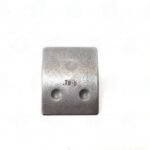 | 5006852-8 | 5006852-8 Balance Weight — 0.78 ozThe 5006852 series covers the 0.78 to… Show more (+) 5006852-8 Balance Weight — 0.78 ozThe 5006852 series covers the 0.78 to 3.0 oz heavy-correction range. Heavy corrections in this range are common on larger-diameter driveshafts (3.5″ and above) used in heavy-duty trucks, after tube replacement or when balancing a driveshaft that was never factory-balanced. At 0.78 oz, the 5006852-8 is the entry point of this heavy series.SKUWeight5006852-11.25 oz5006852-21.5 oz5006852-32 oz5006852-43 oz5006852-50.9 oz5006852-70.64 oz5006852-80.78 ozSelect the closest single weight to the machine’s correction readout. Combining two lighter weights introduces placement angle tolerances that can compound errors on large-diameter tubes. Show less (-) | |||||||||||||||||||||||||||||||||||||||||||||||||||||||||||||||||||||||||||||||||||||||||||||||||
 | 5010901-11 | The 5010901-11 is the largest profile in the 5010901 stainless series at… Show more (+) The 5010901-11 is the largest profile in the 5010901 stainless series at 0.96″. When a driveshaft operating in a corrosive environment requires a larger correction mass, the 5010901-11 handles the heavier end of the range where the smaller -6 or -8 would require stacking.Q: Why not just use a carbon steel weight on a stainless tube?A: Galvanic corrosion. Carbon steel in contact with stainless in the presence of an electrolyte (road salt, water) sets up a galvanic cell that accelerates corrosion of the carbon steel weight. This causes the weight to lose mass unpredictably, throwing the shaft back out of balance.Q: What filler metal for welding the 5010901-11 to a carbon steel tube?A: ER309L for TIG or MIG. If welding to a stainless tube, use ER308L or ER316L depending on tube grade.SKU: 5010901-11Material: Stainless SteelProfile: 0.96″ Show less (-) | |||||||||||||||||||||||||||||||||||||||||||||||||||||||||||||||||||||||||||||||||||||||||||||||||